09:31:41 AM
Wednesday, May 13, 2026
Tokyo, Japan's sprawling capital, is a mesmerizing metropolis where ancient temples stand in the shadow of neon-lit skyscrapers, and centuries-old traditions coexist with cutting-edge technology. With a metropolitan population exceeding 37 million, it's the world's most populous urban area, yet it functions with remarkable efficiency, cleanliness, and safety.
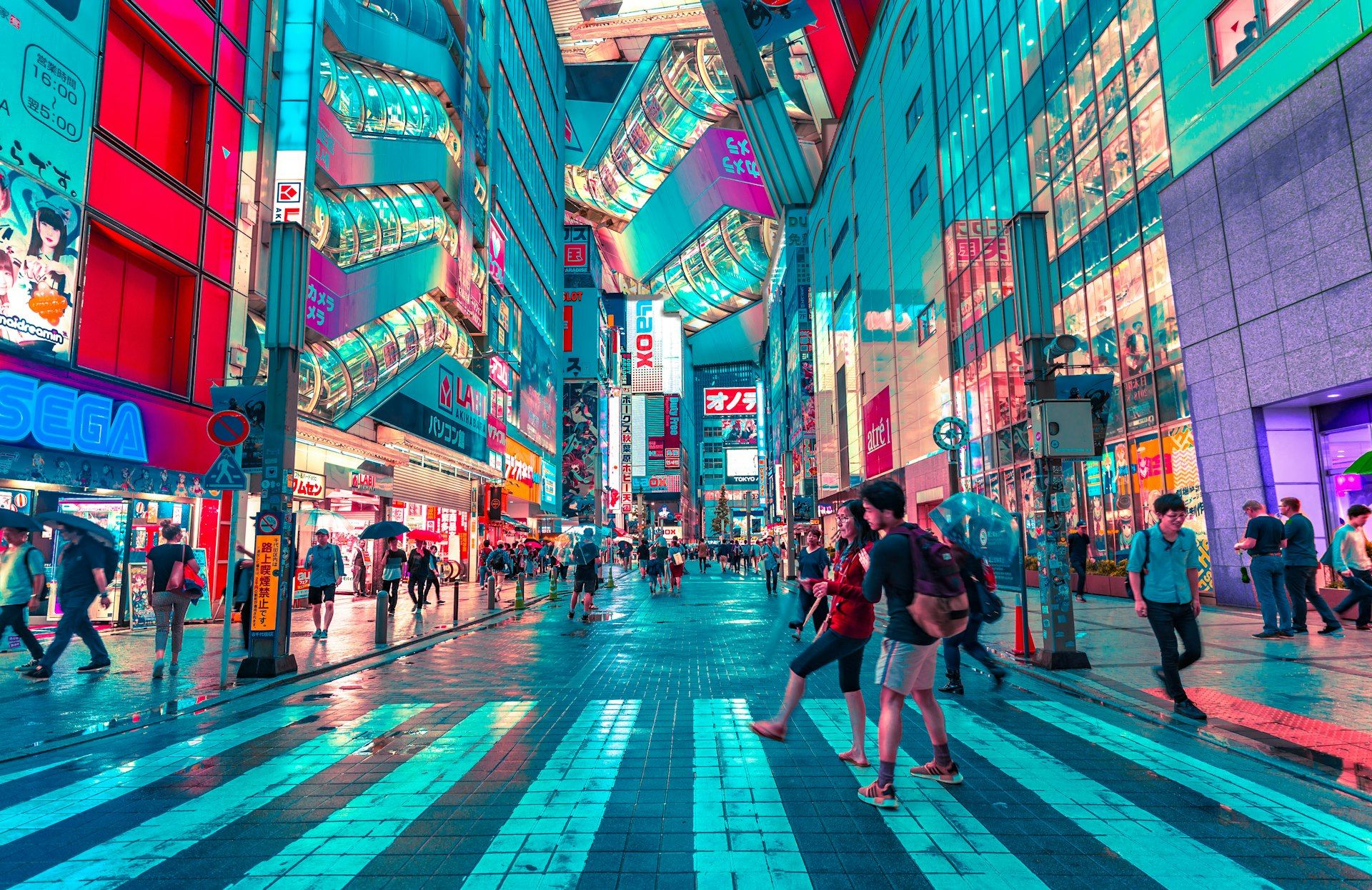
The city's neighborhoods are like distinct cities within a city. Shibuya pulses with youth culture and the world's busiest pedestrian crossing, Shinjuku dazzles with its towering skyline and labyrinthine entertainment district, and Akihabara immerses you in anime and electronics culture. In contrast, Asakusa preserves old Tokyo's charm around the ancient Sensō-ji temple, and the Imperial Palace gardens offer tranquil green spaces in the heart of the city. Harajuku's Takeshita Street showcases Tokyo's legendary street fashion, while the upscale Ginza district rivals Paris and Milan for luxury shopping.
Tokyo is arguably the world's greatest food city, holding more Michelin stars than any other city on Earth. From $3 bowls of perfectly crafted ramen at tiny counter-service shops to exquisite multi-course kaiseki dinners, the range and quality of dining is unmatched. Tsukiji Outer Market and Toyosu Fish Market offer the freshest sushi imaginable, while depachika (department store basement food halls) are culinary wonderlands. Add world-class public transport, beautiful cherry blossoms in spring, and a culture that blends politeness with creativity, and Tokyo becomes an endlessly fascinating destination.
The best time to visit Tokyo is during spring (March to May) and autumn (October to November), when the weather is mild and comfortable, and the city is transformed by either cherry blossoms or autumn foliage into one of the most beautiful urban landscapes on Earth. These seasons offer the most pleasant conditions for sightseeing and represent Tokyo at its most visually stunning.
Spring is the most celebrated season in Japan, and for good reason. Cherry blossom season (sakura) typically arrives in Tokyo between late March and early April, turning parks, rivers, and temple grounds into ethereal clouds of pink and white. Ueno Park, Shinjuku Gyoen, Chidorigafuchi (the moat near the Imperial Palace), and Meguro River are among the most popular hanami (flower viewing) spots, where locals spread picnic blankets beneath the blossoms for food, drinks, and celebration. The exact timing varies each year - the Japan Meteorological Corporation issues cherry blossom forecasts that visitors can track. Temperatures in late March and April range from 10-18°C, perfect for walking the city's neighborhoods. May is warmer (15-23°C) with less rain than June, making it excellent for exploring outdoor attractions, day trips to Kamakura or Hakone, and enjoying the fresh green leaves that follow the cherry blossoms.
Summer in Tokyo (June to August) is challenging due to the tsuyu (rainy season) in June and early July, followed by intense heat and humidity in July and August. Temperatures reach 30-35°C with humidity often above 70%, making outdoor sightseeing uncomfortable. However, summer brings spectacular hanabi (fireworks) festivals, including the massive Sumida River Fireworks in late July, as well as Obon festivals and the lively atmosphere of beer gardens atop department stores. If visiting in summer, focus on air-conditioned attractions, underground shopping arcades, and evening activities when temperatures moderate.
Autumn in Tokyo is the other golden season. October brings comfortable temperatures of 15-22°C with clear blue skies and lower humidity - arguably the most pleasant weather of the year for sightseeing. November is when autumn foliage (koyo) peaks, and while Tokyo's fall colors are more subtle than Kyoto's, the ginkgo-lined avenues of Meiji Jingu Gaien turn a spectacular golden yellow, and the Japanese gardens of Rikugien and Koishikawa Korakuen blaze with red maples. Many gardens offer special evening illuminations of the autumn leaves, creating magical nighttime viewing experiences. The food scene also peaks in autumn, as this is the season of matsutake mushrooms, sweet potatoes, persimmons, and new-harvest rice.
Winter (December to February) brings cold but manageable temperatures of 2-10°C with clear skies and low humidity. Tokyo rarely receives heavy snow, and winter has several advantages: thin crowds at major attractions, spectacular winter illuminations throughout the city (particularly at Roppongi Hills, Tokyo Midtown, and Marunouchi), and clear days that offer the best views of Mount Fuji from the city. New Year's celebrations are deeply significant in Japanese culture, with temple visits (hatsumode) at midnight a cherished tradition. January and February sales in Ginza and Shibuya offer excellent shopping opportunities.
For budget-conscious travelers, January to mid-March (before cherry blossom season) and late November through December offer the best value, with lower hotel rates and fewer tourists. The absolute peak periods for prices and crowds are cherry blossom season (late March to mid-April), Golden Week (late April to early May), and Obon week in August. Booking several months in advance is essential during these periods. For the ultimate Tokyo experience, the last week of March through the first week of April during peak cherry blossom season is unforgettable, but requires planning 3-6 months ahead for hotel reservations.
Tokyo's oldest and most significant Buddhist temple in Asakusa, approached through the iconic Kaminarimon gate and Nakamise shopping street.
LandmarkThe world's busiest pedestrian intersection, where up to 3,000 people cross simultaneously in a mesmerizing choreography of urban life.
LandmarkA vibrant food market offering the freshest sushi, tamagoyaki (egg omelet), and street food, still thriving after the inner market moved to Toyosu.
FoodA serene Shinto shrine surrounded by a 170-acre forested park in the heart of the city, dedicated to Emperor Meiji and Empress Shōken.
CultureThe neon-drenched entertainment district featuring Golden Gai's tiny atmospheric bars, Memory Lane's yakitori alleys, and the Robot Restaurant.
NightlifeImmersive digital art experiences that blur the boundary between artwork and visitor, using technology to create stunning interactive installations.
CultureThe annual sakura bloom transforms Tokyo's parks and riverbanks into pink-and-white wonderlands, celebrated with hanami picnics and festivals.
Nature


