10:31:40 AM
Wednesday, May 13, 2026
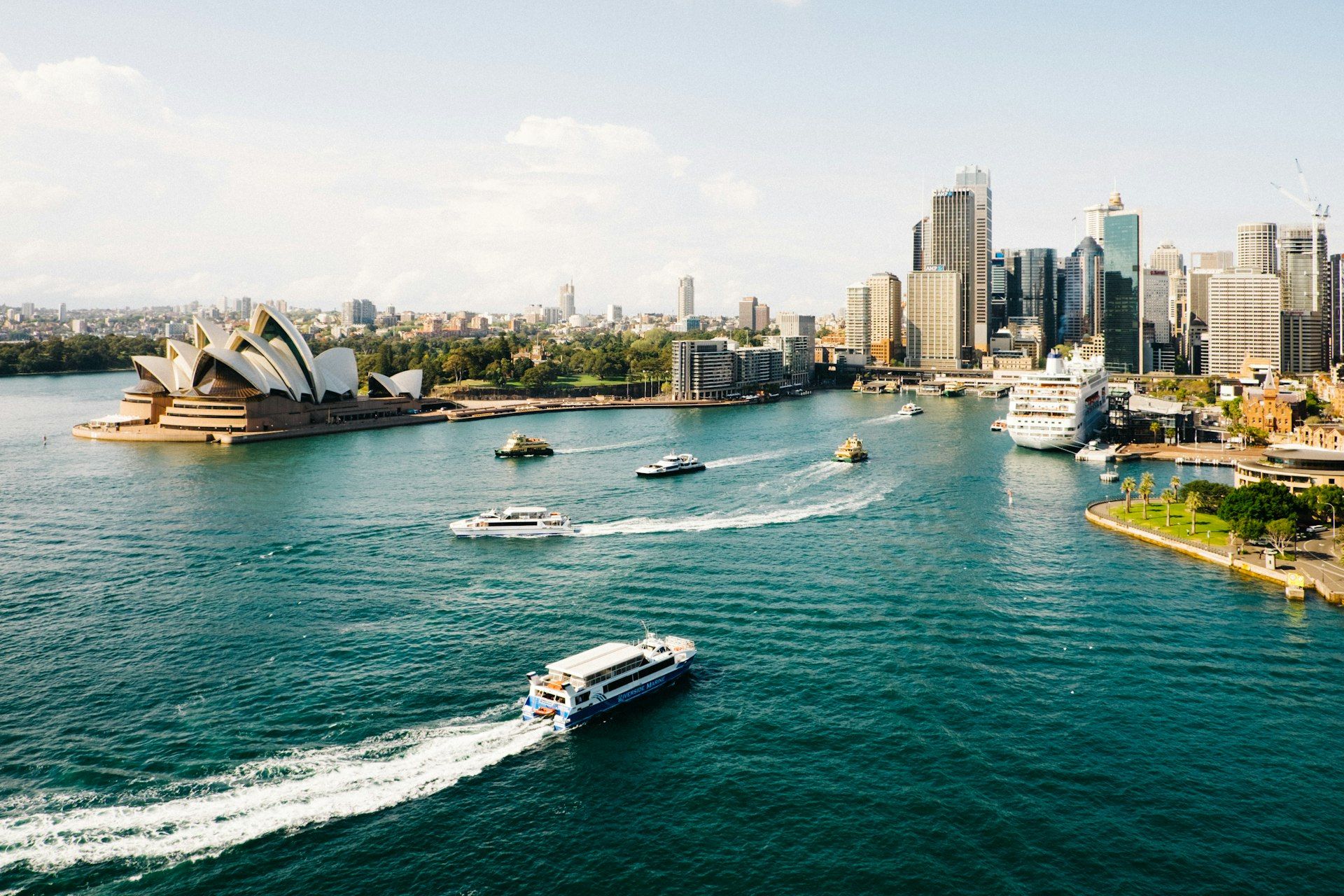
Sydney is Australia's largest and most iconic city, a gleaming harbor metropolis where the world-famous Opera House and Harbour Bridge frame one of the most spectacular urban waterfronts on Earth. Built around a stunning natural harbor with over 100 beaches within its metropolitan area, Sydney combines big-city sophistication with an outdoor lifestyle that is quintessentially Australian.
The city's landmarks are immediately recognizable. The Sydney Opera House, a UNESCO World Heritage site, is a masterpiece of 20th-century architecture that hosts over 1,500 performances a year. The Harbour Bridge, affectionately nicknamed "the Coathanger," offers a BridgeClimb experience with panoramic views. But Sydney's beauty extends far beyond its iconic structures - the Royal Botanic Garden, Taronga Zoo overlooking the harbor, and the coastal walks from Bondi to Coogee and Manly to Spit Bridge reveal a city intimately connected to nature.
Sydney's multicultural population of over 5 million, with significant communities from China, Vietnam, Lebanon, Italy, and Greece, creates one of the world's most diverse food scenes. From Sydney's legendary brunch culture and flat whites (Australia gave the world this coffee style) to the dumpling houses of Chinatown, the Vietnamese restaurants of Cabramatta, and the fresh seafood at the Sydney Fish Market, the city eats extraordinarily well. The bar and nightlife scene thrives in neighborhoods like Surry Hills, Newtown, and Darlinghurst, while the craft beer and natural wine movements have found a passionate home.
The best time to visit Sydney is during the Southern Hemisphere spring and summer from October to March, when the weather is warm, the beaches are in full swing, and the city's outdoor lifestyle is at its peak. Sydney enjoys a temperate climate with mild winters and warm summers, making it a year-round destination, but the warmest months provide the most quintessential Sydney experience.
Spring (October to November) is a beautiful time to visit Sydney. Temperatures climb from 16-22°C in October to 18-24°C in November, jacaranda trees turn the streets purple, and the city's gardens are in spectacular bloom. The Sculpture by the Sea exhibition along the Bondi-to-Tamarama coastal walk (usually late October) is one of the world's largest free outdoor sculpture exhibitions. Spring sees fewer tourists than the December-January peak, and hotel prices remain moderate. The weather is generally sunny with occasional spring showers.
December and January are peak summer, with temperatures of 22-28°C and long, sunny days (sunset around 8pm). This is when Sydney's beach culture is at its best - Bondi, Manly, Coogee, and dozens of lesser-known beaches are packed with swimmers, surfers, and sunbathers. Sydney's New Year's Eve fireworks, launched from the Harbour Bridge and boats in the harbor, are among the world's most spectacular celebrations, broadcast globally. The Sydney Festival in January brings three weeks of music, theater, and visual arts across the city. January is typically the warmest month, with temperatures occasionally exceeding 35°C during heat waves.
February and March continue the warm weather pattern (22-27°C) as autumn approaches. The Chinese New Year celebrations in February are among the largest outside of Asia, centered on Chinatown and Darling Harbour. The Sydney Gay and Lesbian Mardi Gras in late February/early March is a legendary celebration with a spectacular parade along Oxford Street. March sees temperatures moderating (20-25°C) with excellent conditions for outdoor activities and the Vivid Sydney preparations beginning.
Autumn (April to May) brings mild, comfortable temperatures (17-22°C) with beautiful light and autumn colors in the parks. This is an excellent time for the Bondi-to-Coogee coastal walk and exploring neighborhoods on foot. Vivid Sydney, an extraordinary festival of light, music, and ideas, illuminates the Opera House and harbor buildings from late May through June.
Winter (June to August) is mild by world standards, with temperatures of 10-17°C and the most rainfall, though Sydney's winter rain is typically lighter than tropical downpours. The water is too cold for casual beach swimming (16-18°C), but winter brings whale watching season as humpback whales migrate along the coast. Hotel prices drop, and the city's restaurant and cultural scenes provide plenty of indoor entertainment. Vivid Sydney in June is a major winter attraction.
Sydney can experience extreme heat in summer. Days above 40°C, while infrequent, do occur in January and February, sometimes accompanied by bushfire smoke from surrounding areas. Check conditions if visiting during heat waves.
For budget travelers, May through August offers the lowest prices for accommodation and flights. The best value with warm weather is October-November or March, avoiding the Christmas-New Year peak when prices soar and beaches are crowded. For the full Sydney summer experience, January and February deliver the warmest conditions and the most vibrant atmosphere.
The UNESCO-listed architectural icon on Bennelong Point, hosting over 1,500 performances annually and offering backstage tours and harborside dining.
LandmarkAustralia's most famous beach, offering golden sand, reliable surf, ocean pools, and the starting point of the stunning Bondi-to-Coogee coastal walk.
NatureThe iconic "Coathanger" offering the famous BridgeClimb experience with 360-degree panoramic views of the harbor, Opera House, and city skyline.
LandmarkA world-class zoo with an unbeatable setting overlooking Sydney Harbour, home to Australian wildlife and exotic species in naturalistic enclosures.
NatureSydney's oldest neighborhood beneath the Harbour Bridge, with cobblestone streets, weekend markets, historic pubs, and some of the city's best restaurants.
CultureSydney's legendary café scene - from avocado toast to elaborate brunch menus, paired with exceptional flat whites in neighborhoods like Surry Hills and Newtown.
Food


