02:32:17 AM
Wednesday, May 13, 2026
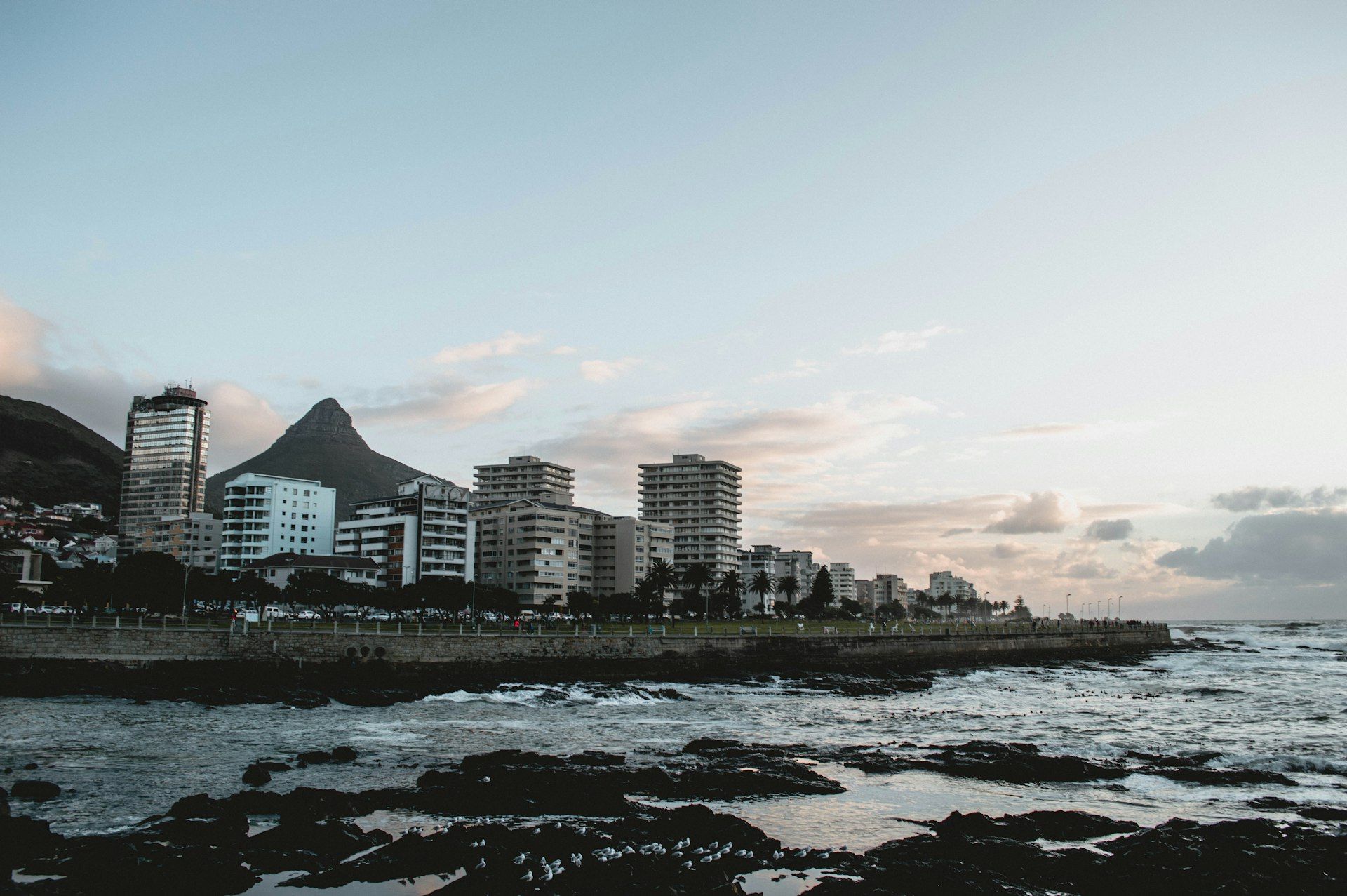
Cape Town is one of the world's most stunningly situated cities, occupying a narrow strip of land between the flat-topped Table Mountain and the Atlantic Ocean at the southwestern tip of Africa. The setting is breathtaking - rugged mountain ranges plunge into the sea, pristine beaches stretch for miles, and the legendary Cape of Good Hope marks the point where the Atlantic and Indian Oceans meet.
Table Mountain, a UNESCO World Heritage site and one of the New Seven Wonders of Nature, dominates the city's skyline and is accessible by cable car or various hiking trails. The Victoria & Alfred Waterfront, a revitalized harbor district, buzzes with restaurants, shops, the Zeitz Museum of Contemporary Art Africa (MOCAA), and boat departures for Robben Island - where Nelson Mandela was imprisoned for 18 of his 27 years. The colorful houses of Bo-Kaap, the bohemian cafés of Woodstock, and the gardens of Kirstenbosch add layers of character.
Cape Town's food and wine scene is exceptional. The nearby Stellenbosch, Franschhoek, and Paarl wine regions produce world-class wines - particularly Pinotage, Chenin Blanc, and Cabernet Sauvignon - and wine tasting with mountain views is a quintessential Cape Town experience. The city's cuisine reflects its diverse heritage, from traditional Cape Malay curries in Bo-Kaap to fresh seafood, braai (South African barbecue), and a growing contemporary restaurant scene that has earned international recognition. The combination of natural beauty, cultural depth, world-class food and wine, and excellent value for money makes Cape Town one of Africa's most compelling destinations.
The best time to visit Cape Town is during the Southern Hemisphere summer from November to March, when the weather is warm and dry, the days are long, and the city's outdoor attractions - from beaches to mountain hikes to wine tastings on sunlit terraces - are at their best. Cape Town has a Mediterranean climate with distinct wet and dry seasons, making timing important for an optimal experience.
Summer in Cape Town (November to February) delivers warm temperatures, blue skies, and minimal rainfall. November kicks off the season with temperatures of 18-25°C and the first reliably sunny days after the winter rains. This is a lovely time to visit - the wildflowers on Table Mountain are still blooming, tourist crowds are lighter than the December peak, and accommodation prices are more reasonable. The Cape Winelands are particularly beautiful in November with the vineyards in full green leaf.
December and January are the warmest months, with temperatures averaging 22-28°C and the longest days (sunset after 8pm). These are the peak months for beach life at Clifton, Camps Bay, and Boulders Beach (home to a colony of African penguins). The Cape Town Cycle Tour in March and various outdoor festivals fill the calendar. December brings festive holiday energy and the Mother City's New Year celebrations - particularly the vibrant Cape Town Minstrel Carnival (Kaapse Klopse) on January 2nd, when thousands of performers in colorful costumes parade through the streets.
February is often considered the ideal month. The peak December-January tourist rush subsides, temperatures remain warm (20-28°C), and the "Cape Doctor" - the famous southeastern wind that blows through the city - is at its strongest, keeping the air fresh and the skies crystal clear. Wine harvest season begins in the Winelands, and several vineyards offer harvest-related experiences. March maintains pleasant conditions (19-26°C) as autumn approaches, with the bonus of the Cape Town International Jazz Festival and the beginning of whale-watching season along the coast.
The notable "Cape Doctor" wind deserves mention: the strong southeastern wind blows regularly from November through March, most intensely in December and January. While it keeps the city clean and cool, it can make beach days uncomfortable and create challenging conditions for outdoor dining. Camps Bay and Clifton beaches are somewhat sheltered, while the Atlantic side of Table Mountain can be very windy.
Winter (June to August) brings the rainy season, with temperatures of 8-16°C and regular rainfall. While not ideal for beach activities, winter has its own charms: the green, lush landscape, snow-capped mountains in the distance, cozy wine tastings in Franschhoek, and excellent whale watching as southern right whales visit the coast from Hermanus to False Bay (June to November). Winter is low season with significantly lower prices - hotel rates can drop 40-60% compared to summer.
Spring (September to October) is a transitional period with improving weather and wildflower displays along the West Coast. The weather can be unpredictable - sunny one day, rainy the next - but the rewards include fewer tourists, moderate prices, and the beginning of the outdoor season.
For budget travelers, May through August offers the lowest prices across accommodation, flights, and activities. The best value with good weather is November or March - shoulder months with excellent conditions and prices below the December-February peak. For the overall best experience, February stands out with warm weather, harvest season, thinning crowds, and a full events calendar.
The iconic flat-topped mountain offering breathtaking 360-degree views of the city, ocean, and Cape Peninsula - reachable by cable car or hiking trails.
NatureWorld-class wine estates in Stellenbosch, Franschhoek, and Paarl offering tastings, gourmet restaurants, and stunning mountain-backed vineyard scenery.
FoodThe UNESCO World Heritage site where Nelson Mandela was imprisoned, now a powerful museum with tours guided by former political prisoners.
CultureThe dramatic, windswept peninsula where the Atlantic meets the Indian Ocean, with hiking trails, baboons, and the historic lighthouse.
NatureA colony of over 2,000 endangered African penguins on a sheltered beach in Simon's Town - you can swim alongside them from the adjacent beach.
NatureA vibrant neighborhood of brightly painted houses on the slopes of Signal Hill, home to Cape Malay culture, cooking classes, and the Bo-Kaap Museum.
Culture


