03:31:22 AM
Wednesday, May 13, 2026
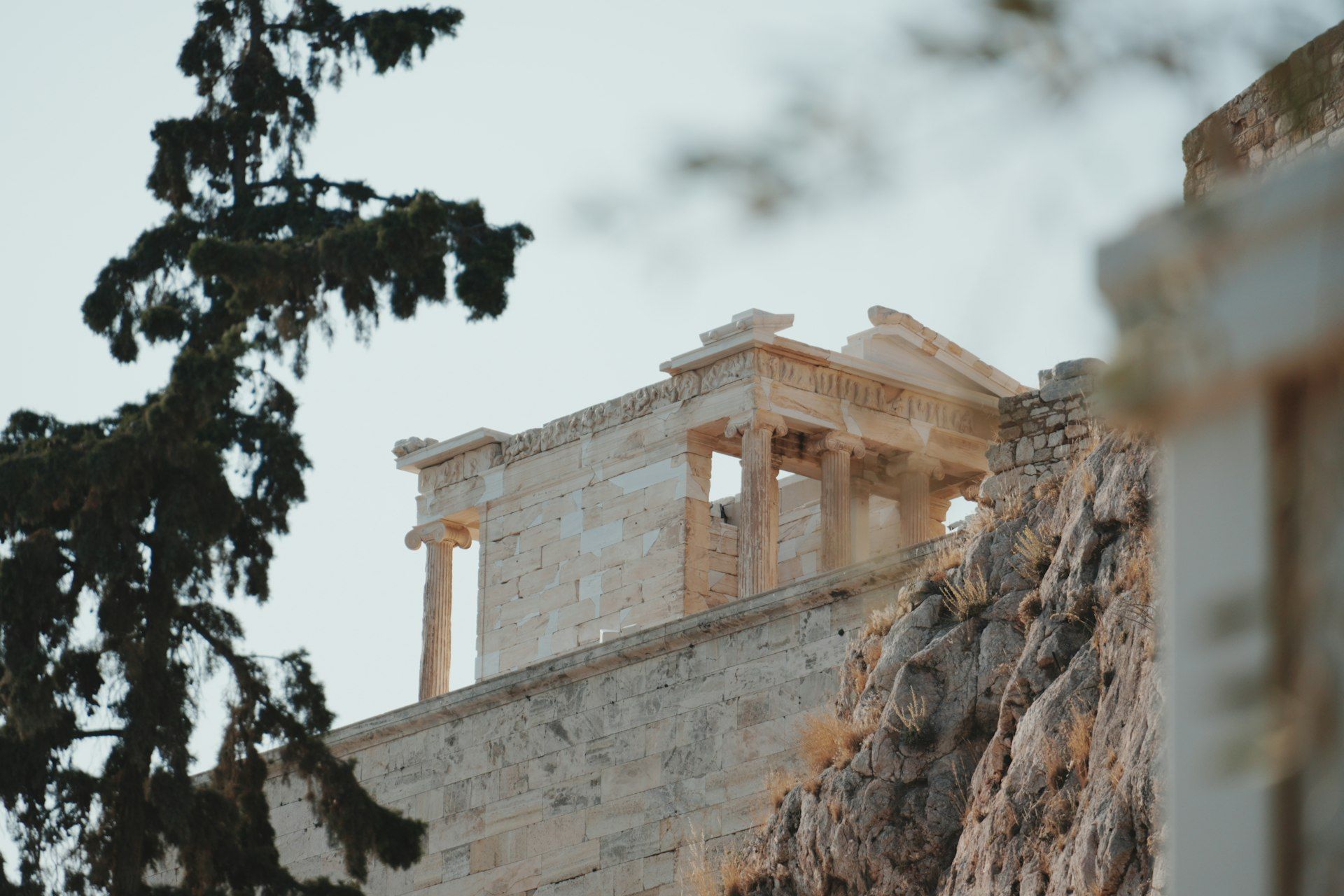
Athens is where it all began - democracy, philosophy, theater, and the Olympic Games all trace their origins to this ancient city, now a vibrant, gritty, and endlessly fascinating modern capital. The Acropolis, crowned by the Parthenon, rises above a sprawling metropolis of 3.7 million people, a timeless symbol of human achievement visible from nearly every vantage point in the city.
But Athens is far more than its ancient ruins. The city has undergone a remarkable transformation in recent years, emerging from economic crisis with a renewed creative energy that has made it one of Europe's most exciting urban destinations. The Plaka neighborhood, nestled at the foot of the Acropolis, is a maze of neoclassical buildings, tavernas, and souvenir shops. Adjacent Monastiraki offers a bustling flea market and views of the ancient Agora. And neighborhoods like Psyrri, Exarchia, and Koukaki have become hotbeds of street art, independent galleries, natural wine bars, and innovative restaurants.
The food scene in Athens is a revelation for visitors expecting only souvlaki and Greek salad (though both are outstanding). The Central Market on Athinas Street is a sensory overload of fresh fish, meat, herbs, and spices, while the modern Greek taverna movement has elevated traditional recipes with seasonal ingredients and contemporary techniques. Add the nearby beaches of the Athenian Riviera, accessible by tram, and you have a city that offers ancient wonders, contemporary culture, and Mediterranean relaxation in one compact, sun-drenched package.
The best time to visit Athens is during spring (April to June) and autumn (September to October), when warm but comfortable temperatures, clear skies, and manageable crowds create perfect conditions for exploring the city's ancient sites and vibrant neighborhoods.
Spring is Athens at its most welcoming. April brings average highs of 20°C with wildflowers blooming on the slopes of the Acropolis and Philopappos Hill. The air is clear, the light is golden, and the major archaeological sites are pleasantly uncrowded compared to the summer months. May warms to 25°C with abundant sunshine, and Orthodox Easter celebrations (dates vary) - if they fall in spring - are a spectacular cultural experience, with midnight services, fireworks, and communal lamb roasts. By June, summer is arriving in earnest with temperatures reaching 30°C, but the long evenings are perfect for dining al fresco in Plaka or catching an outdoor performance at the Odeon of Herodes Atticus, the ancient theater at the foot of the Acropolis.
Summer (July to August) is brutally hot, with temperatures regularly exceeding 35°C and sometimes reaching 40°C+. The Acropolis and other open archaeological sites offer no shade, making midday visits physically punishing. The Meltemi wind provides some relief but also brings haze. Many Athenians flee to the islands, and some neighborhood restaurants close for August holidays. However, the Athens & Epidaurus Festival runs all summer with performances in ancient venues, and the Athenian Riviera beaches are just a tram ride away.
Autumn is arguably Athens' finest season. September maintains summer warmth (28-30°C) with gradually decreasing crowds, and the sea is at its warmest for swimming. October cools to a pleasant 22°C - perfect for long walks through the ancient Agora and hikes up Lycabettus Hill for sunset panoramas. The cultural season relaunches with new exhibitions and performances, and restaurant terraces remain open well into November.
Winter (November to March) is mild by European standards, with temperatures of 10-15°C and occasional rain. It rarely drops below 5°C, and sunny winter days can feel positively warm. Hotel prices are at their lowest, museum queues vanish, and you'll experience Athens as Athenians do - sipping coffee in Koukaki, browsing galleries in Psyrri, and enjoying hearty stews in traditional tavernas.
Critical tip: Book Acropolis tickets online in advance - a combined €30 ticket covers the Acropolis plus six other major sites and is valid for 5 days, representing significant savings.
The defining symbol of ancient Greece - a hilltop citadel crowned by the Parthenon temple, visible from across Athens and breathtaking in person despite 2,500 years of history.
LandmarkA stunning modern museum at the base of the Acropolis housing sculptures, friezes, and artifacts from the sacred rock, with a glass floor revealing excavations below.
CultureAthens' oldest neighborhoods at the foot of the Acropolis, offering winding streets of tavernas, boutiques, a sprawling flea market, and views of the ancient Agora.
CultureFrom souvlaki at hole-in-the-wall joints to modern Greek tavernas, Athens is a food paradise - don't miss the Central Market, spanakopita, and fresh seafood by the coast.
FoodThe civic heart of ancient Athens where Socrates debated and citizens voted, now an atmospheric ruin dotted with olive trees and crowned by the Temple of Hephaestus.
LandmarkAthens' highest point offers a 360-degree panorama from the Acropolis to the sea - hike up through pine forests or take the funicular for sunset views.
NatureA coastline of beaches stretching south from the city center, accessible by tram - Vouliagmeni Lake and Glyfada Beach offer easy seaside escapes.
Nature


